
Bespoke KNX & Multi-Protocol Automation for a Futuristic Villa in Mohammed Bin Rashid Al Maktoum City (District One)
Client: A tech-industry visionary seeking a truly future-proof, resilient, and brand-agnostic smart home system.
Project Type: Architectural Smart Villa
Location: District One, Dubai
Scope: Whole-home automation backbone, adaptive lighting, multi-protocol device integration, and predictive climate control.
Core Technology: KNX Standard, Zigbee 3.0 mesh, DALI-2 Lighting, IP-based Audio/Video, Custom Logic Server.
Integrator: Alayoubi Technologies
The Client & Challenge: Beyond Brand Lock-In
The client explicitly rejected being locked into a single vendor’s ecosystem. Their demand was for a resilient, modular, and serviceable system built on international open standards. The villa’s avant-garde architecture, with its concrete finishes and vast glazing, presented a technical challenge: achieving flawless control of over 220 lighting endpoints, complex motorized shading, and a hydronic floor heating system, all while maintaining a zero-visibility tech aesthetic. “I don’t want a ‘smart home brand,'” the client stated. “I want the industrial-grade nervous system of a building that will evolve with technology for the next 20 years.”
The Alayoubi Technologies Solution: An Engineered Backbone
We designed and deployed a multi-layered control architecture with KNX as the robust, wired backbone for all critical functions (lighting, relays, shading, HVAC interfaces), supplemented by Zigbee 3.0 meshes for flexible, wireless device placement, and a central logic server for complex scene programming and integration.
System Architecture & Protocol Map:
The Wired Nervous System (KNX TP):
A KNX IP Router served as the main backbone, connecting to 12 KNX line couplers managing individual zones.
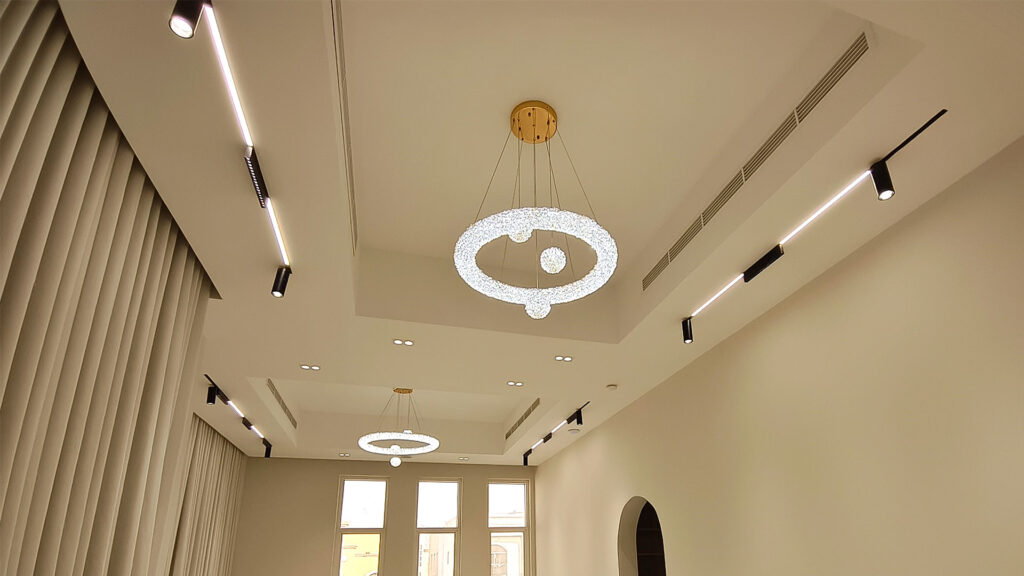
Lighting: All key lighting circuits were driven by KNX DALI Gateways, controlling DALI-2 compliant LED drivers for individual fixture addressability and dynamic color tuning.
Shading & Motors: 34 motorized shading tracks and curtains were controlled via KNX shutter actuators with sun-tracking logic.
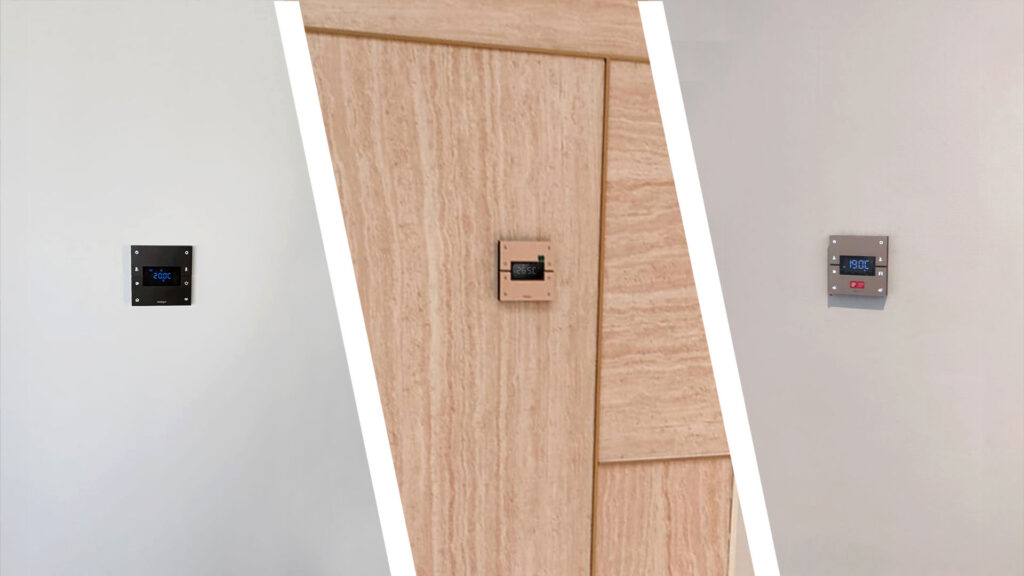
HVAC Integration: The Mitsubishi Electric City Multi VRF and Uponor hydronic floor heating systems were integrated via KNX interface modules, allowing for room-by-room setpoint control and energy optimization.
The Wireless Fabric (Zigbee 3.0):
A high-density Zigbee mesh network was deployed for sensors and retrofit devices. This included occupancy/vacancy sensors, air quality monitors, and battery-powered wireless switches placed in stone walls where wiring was impossible.
Benefit: This hybrid approach allowed for architectural flexibility without compromising the reliability of the wired KNX core.
The Intelligence Layer (Logic Server & UI):
A custom-built logic server (Node-RED / Home Assistant Core) acted as the “brain,” orchestrating interactions between KNX, Zigbee, and IP-based subsystems (audio/video, security).
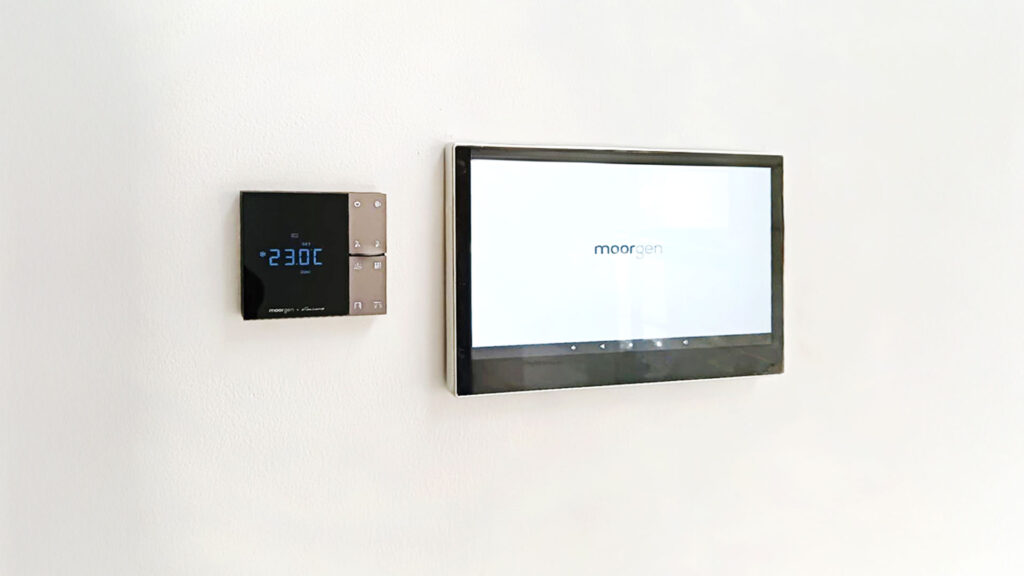
User Interface: Control was delivered through custom-designed glass touch panels (running a proprietary UI) and a white-labeled mobile app. The interface was organized by experience (“Welcome”, “Day”, “Evening”, “Away”) rather than by device brands.
Subsystem Integration via IP:
Audio/Video: A Bluesound multi-room audio system and Apple TV units were integrated via their open IP APIs.
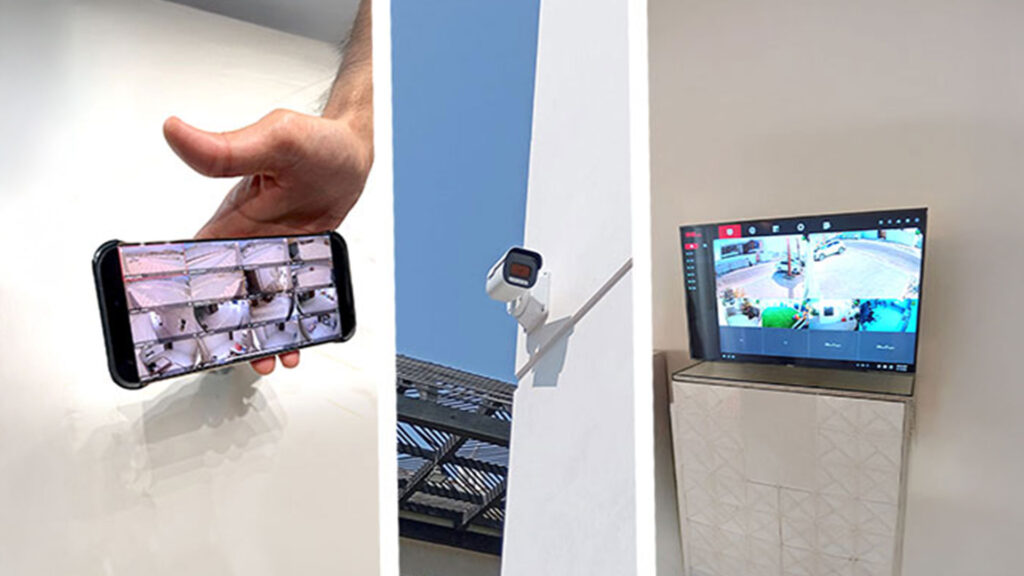
Security: The Bosch intrusion detection system and Dahua CCTV were linked into the logic server, enabling scenarios like “Away Mode” which would arm security, lower blinds, and start a randomized lighting simulation.
Implementation & Technical Highlights
The project was a masterclass in systems engineering. A primary challenge was ensuring deterministic performance and millisecond-level synchronization between the KNX, DALI, and IP networks. Our team developed custom diagnostic and monitoring dashboards for the client’s technical team.
The predictive climate control algorithm was a standout feature. Using data from KNX room thermostats, Zigbee outdoor weather stations, and sun-position tracking via the shading system, the logic server pre-emptively adjusts HVAC and floor heating to maintain perfect comfort at minimal energy cost—a critical feature for the villa’s large glass facades.
The Result & Client Experience
The villa operates with the quiet efficiency of a commercial-grade building. The client owns a system with complete data sovereignty and no recurring license fees. The open protocols mean any future component can be sourced from a global market of KNX and Zigbee manufacturers, guaranteeing longevity and reducing future costs.
“Alayoubi engineered a solution, not just an installation,” the client remarked. “They built us a platform, not a product. The difference is profound. We have control, insight, and a roadmap, not just a remote.”
Project Specifications & Equipment List
Automation Backbone: KNX IP Router, GIRA / Siemens KNX System Components (Sensors, Actuators, Couplers)
Lighting Control: KNX-DALI Gateways, Helvar / Tridonic DALI-2 LED Drivers, Tunable White & RGBW Fixtures
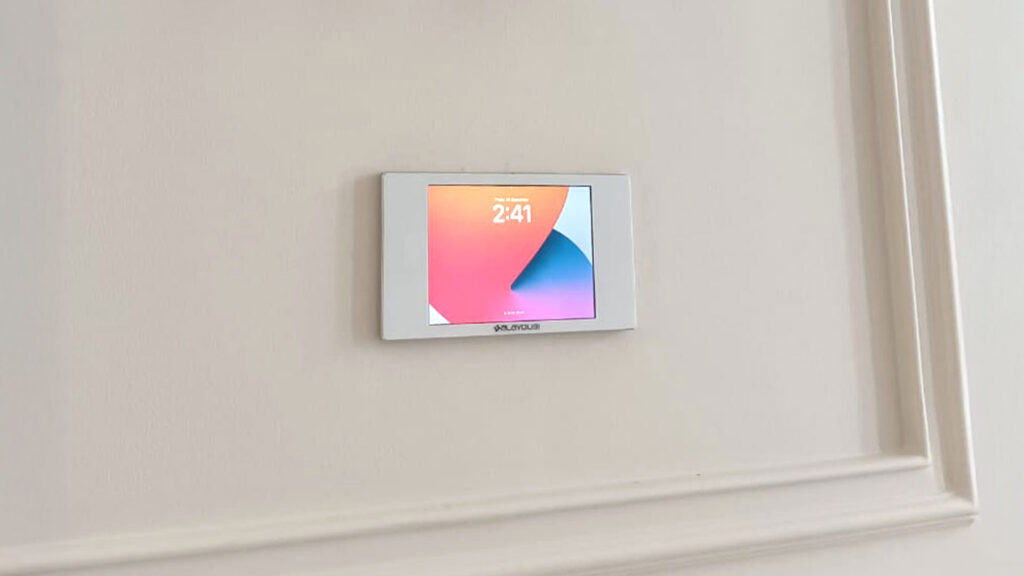
User Interface: Custom Web-based UI served on in-wall tablets (iPad mini enclosures) & dedicated mobile app.
Logic & Integration: Dedicated server running Home Assistant OS with custom integrations, Node-RED for complex automation flows.
Wireless Mesh: Silicon Labs-based Zigbee 3.0 Coordinator with 45 router/end-device nodes (sensors, switches).
Shading Control: Somfy & Crestron motorized tracks with KNX interfaces.
HVAC Integration: KNX interfaces for Mitsubishi VRF & Uponor heating manifolds.
Audio: Bluesound Node & Powernode players across 9 zones.
Network: Fully segmented network with VLANs for KNX/IP, IoT, and guest traffic.